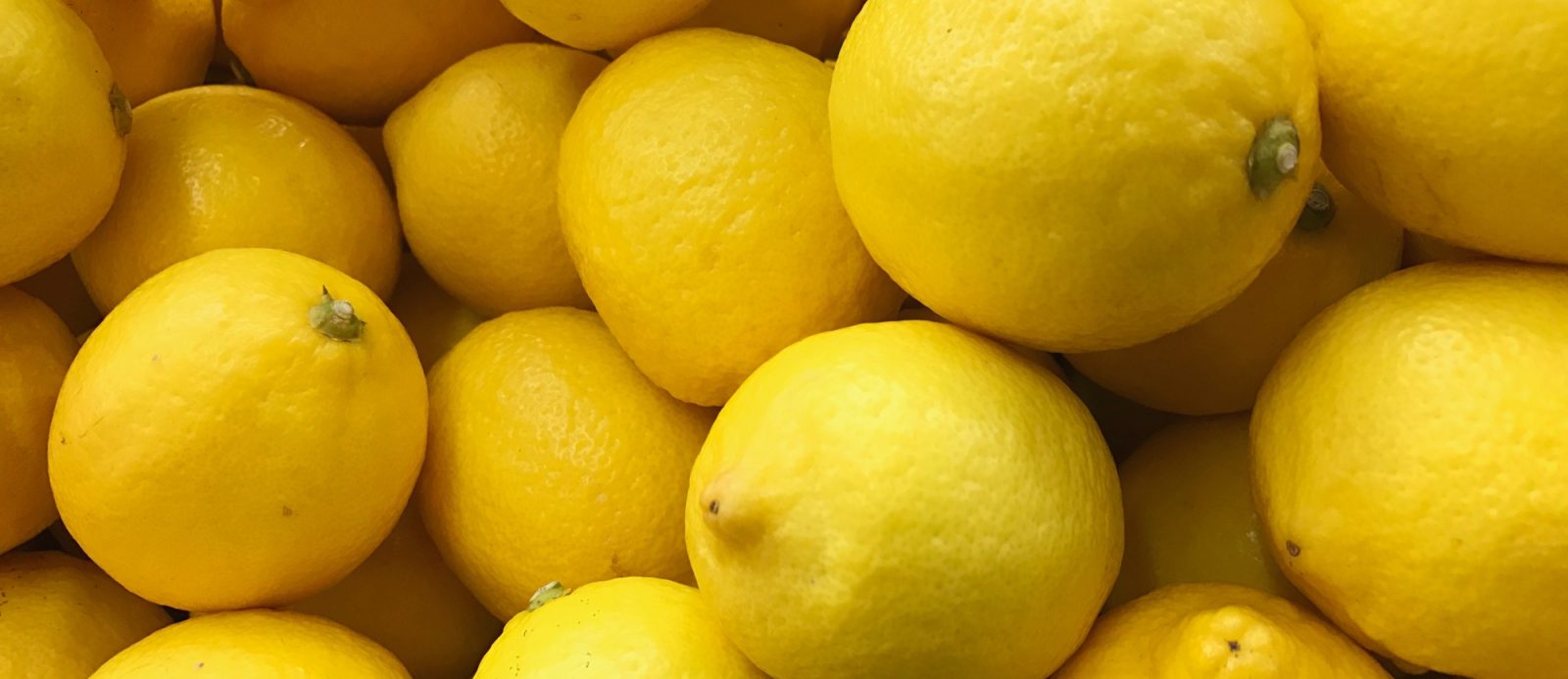
Two or three drops of this magical fruit will immediately transform and enhance flavor! Lemon is one of the protagonists of the Mediterranean diet. It is used during cooking to balance the taste of food and its juice complements seafood, roasts, salads, vegetables. Savory and sweet recipes (lemon cream, lemon pie) are based on the properties of our favorite fruit – we can also make lovely homemade lemonade and enjoy whenever we feel like it. Let’s look at the values of lemon!
Fresh from the village
Lemons are at their best during autumn and winter, but are available all-year round.

Nutritional value
Vitamin B6
Vitamin A
Vitamin E
Foliate
Niacin
Thiamin
Riboflavin
Pantothenic acid
Copper
Calcium
Iron
Magnesium
Potassium
Zinc
Phosphorus
How is it good for us
Helps absorption of iron
Boosts immune system
Has antioxidant activity
Boosts metabolism
Helps digestion
Improves health of hair, skin, teeth
Has antibacterial action
Tips
When choosing lemons, pick the ones with a relatively thin skin, since they produce more juice. They should have a nice yellow color – the ones with green patches are more acidic and not mature enough. The very ripe ones will have soft spots and dull skin.
Keep them fresh for about a week at room temperature in a dark spot. They last for about four weeks in the fridge.
Lemon juice can be stored. Place the freshly squeezed juice in ice cube trays, freeze and then store again in food bags. Lemon zest can also be stored: dry and store in an airtight container in a dry and cool place.
To get more juice from the lemon, roll it with your palm on a surface. It produces more juice when warm, so leave at room temperature before using.
Quick meal with lemon
For a tasty salad dressing, mix lemon juice with olive oil, crushed garlic and pepper.
Cool refreshment: squeeze lemon juice and mix with a little bit of soda and ice – and, if desired, some mint leaves for extra aroma.
Express meal: In a bowl mix rice, chicken, Horio graviera cheese, spring onion, peas or corn and lemon juice.